Best Dried Fruits for Energy-Boosting Snacks
1 October, 2026
Best Ways to Serve Emping Crackers: A Complete Guide
15 October, 2026
How to Choose the Right Coffee Beans
Choosing the right coffee beans can turn an ordinary cup of coffee into a more enjoyable, satisfying experience. With countless origins, roast levels, varieties, and flavour profiles, selecting the right beans can feel overwhelming at first. We can simplify the process by focusing on how the beans are grown, processed, roasted, stored, and matched with our preferred brewing method. The best coffee bean isn’t necessarily the most expensive. Instead, it is the bean whose characteristics suit our taste preferences and brewing style. By understanding a few essential factors, we can choose with more confidence and discover coffees that consistently deliver the flavours and aromas we enjoy.
Start With Your Preferred Coffee Flavour
Before comparing coffee origins or roast profiles, consider what flavours you actually enjoy. Coffee can naturally offer notes ranging from chocolate, caramel, and nuts to citrus, berries, flowers, spices, and stone fruit. If we prefer a smooth, familiar cup, beans with chocolate, caramel, or nutty notes can be a good starting point. These profiles are often particularly appealing when we enjoy coffee with milk. For a brighter and more complex experience, we can explore beans with fruity, floral, or citrus characteristics. It is also important to distinguish between flavour notes and added flavours. A coffee described as having blueberry or caramel notes does not necessarily contain blueberry or caramel. These descriptions generally refer to aromas and flavours perceived naturally during tasting.

Consider the Coffee Bean Origin
Where coffee is grown strongly influences its flavour. Factors such as altitude, climate, soil, rainfall, and coffee variety contribute to the characteristics of the finished beans. Coffee from different regions can therefore provide noticeably different experiences. Ethiopian coffees, for example, are often associated with floral and fruit-forward profiles, while many Brazilian coffees are known for chocolate, nutty, and caramel-like characteristics. Colombian coffees can offer a balanced combination of sweetness, acidity, and body. These descriptions are useful starting points, not strict rules. Coffee flavour varies widely by farm, region, variety, processing method, and harvest. Use origin information as a guide, but pay attention to the specific tasting notes provided by the roaster.
Choose the Right Roast Level
Roast level is one of the easiest ways to narrow down our coffee bean choices. Coffee is commonly described as light, medium, or dark roasted, although individual roasters may use their own terminology.
Light-roasted coffee beans generally preserve more of the original coffee’s characteristics and can offer noticeable acidity, fruitiness, and floral aromas. They often suit people who enjoy complex, vibrant cups.
Medium-roasted coffee beans balance acidity, sweetness, body, and roast character. They are a versatile choice for many brewing methods and can work well for both black coffee and milk-based drinks.
Dark-roasted coffee beans typically emphasise deeper roasted flavours such as cocoa, toast, smoke, and bittersweet notes. They often produce a fuller, heavier impression and may appeal to those who prefer bold-tasting coffee.
Roast level should reflect personal preference rather than a simple quality ranking. A lighter roast is not automatically better than a darker roast; the right choice depends on what we want from our cup.

Match Coffee Beans With Your Brewing Method
Our brewing method can influence which coffee beans perform best. Different brewing techniques extract coffee differently, so matching the beans to the equipment can make it easier to achieve a balanced result.
For pour-over coffee, we may enjoy light to medium roasts with distinctive fruit, floral, or citrus characteristics. Controlled pour-over extraction can highlight delicate flavours and aromas.
For French press, medium- to medium-dark-roasted beans with chocolate, nutty, or caramel notes can work particularly well. The immersion brewing process can produce a fuller-bodied cup.
For espresso, medium- to dark-roasted beans are commonly chosen for their strong body, sweetness, and ability to complement milk. However, speciality coffee producers also offer lighter espresso roasts, so we can experiment based on our preferred flavour profile.
For cold brew, medium to dark beans with chocolate, caramel, or nutty notes are often a practical choice. The extended brewing process can create a smooth, concentrated beverage that works well with these deeper profiles.
Pay Attention to Coffee Processing
Processing is another important factor when choosing coffee beans. After coffee cherries are harvested, the seeds must be separated from the fruit and prepared for drying. Common processing methods include washed, natural, and honey (pulped-natural) processing. Washed coffees often have a clean, clearly defined flavour profile. Natural coffees can show pronounced fruitiness and sweetness because the coffee dries with more fruit surrounding the seed. Honey and pulped-natural coffees can occupy a middle ground, offering sweetness and body while retaining clarity. Processing does not determine quality by itself. Instead, it offers another clue about what to expect in the cup. Looking at origin, processing method, roast level, and tasting notes together gives us a more complete picture.

Check the Roast Date and Freshness
Freshness matters when buying coffee beans. Coffee begins changing after roasting as gases escape and the beans gradually lose some of their aromatic qualities. For this reason, a clearly stated roast date is usually more useful than an expiration date. We should avoid buying more coffee than we can reasonably use while it is still tasting fresh. Purchasing smaller quantities more frequently can be a better approach than keeping a large bag open for months. Once opened, protect coffee from excessive exposure to air, moisture, heat, and light. An airtight container stored in a cool, dry place can help preserve its quality.
Buy Whole Beans When Possible
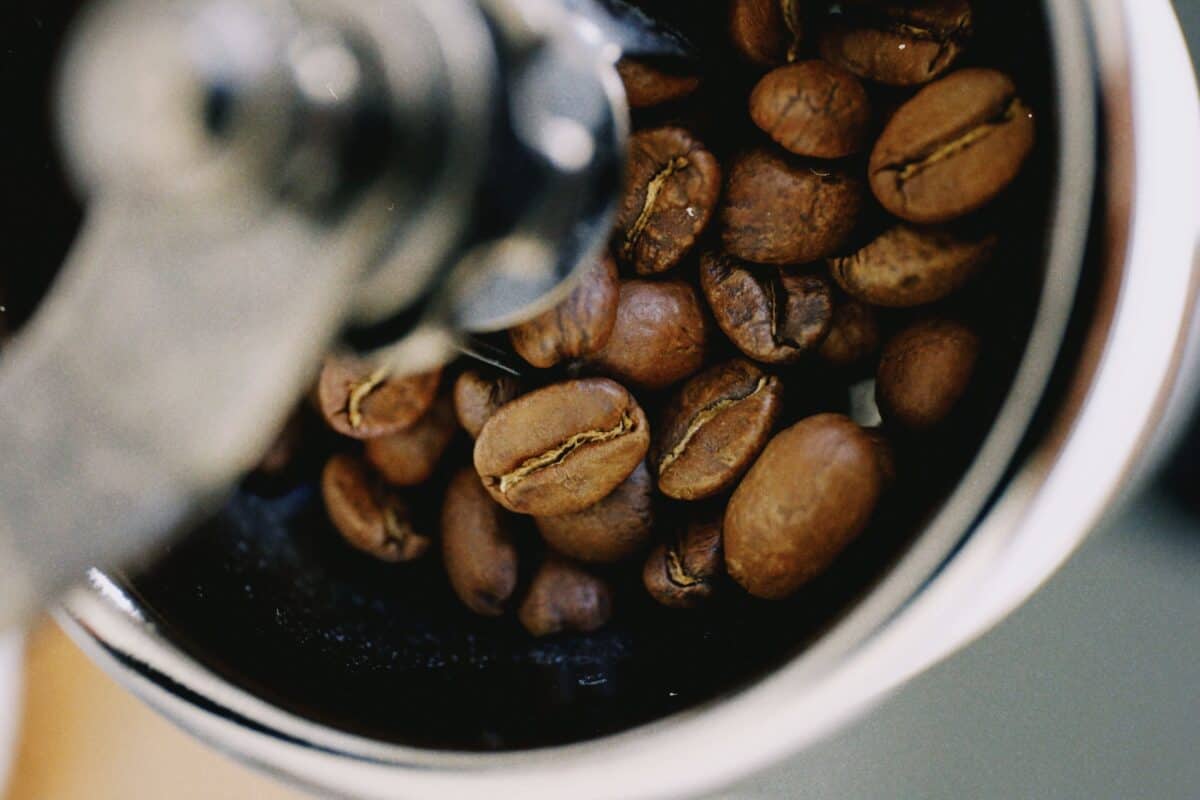
Whole coffee beans generally retain their aroma better than pre-ground coffee because grinding dramatically increases the surface area exposed to air. If we have a suitable grinder, buying whole beans gives us greater control over freshness and grind size. The grind should also correspond to the brewing method. A fine grind is generally used for espresso, while coarser settings are more appropriate for methods such as French press. Pour-over typically falls somewhere between these extremes, depending on the brewer and recipe. A good grinder can therefore be just as important as choosing quality beans. Even excellent coffee can taste unbalanced if the grind size doesn’t match the brewing method.

Experiment Rather Than Relying on Price
Price can offer clues about sourcing, processing, roasting, or production, but it shouldn’t be the only factor we use to choose coffee. A premium-priced coffee may have characteristics we do not enjoy. Instead, we can treat coffee selection as a process of discovery. Start with a flavour profile we already like, then compare beans from different origins or roast levels. Keeping simple notes about sweetness, acidity, body, aroma, and overall preference can make future purchases easier. For example, if we consistently enjoy coffee described as chocolatey and nutty, we can explore similar profiles across different origins. If we prefer bright and fruity coffee, we can gradually experiment with lighter roasts and naturally processed beans.
Finding Coffee Beans That Fit Our Taste
Learning how to choose the right coffee beans becomes much easier once we understand the relationship between origin, roast level, processing, freshness, and brewing method. Rather than searching for one universally “best” coffee, we can look for beans that complement our individual preferences.
A practical starting point is to choose a reputable roaster, check the roast date, read the tasting notes, and select a roast level that matches our preferred brewing method. From there, experimentation lets us refine our preferences and discover new flavours.
The ideal coffee beans are ultimately the ones that consistently produce a cup we look forward to drinking. By making informed choices and paying attention to what we enjoy, we can turn coffee selection from a confusing decision into an enjoyable part of the coffee-making ritual.