Healthy Snack Gift Ideas: Thoughtful, Delicious, and Perfect for Every Occasion
30 July, 2026
Crunchy Peanut Snacks: Delicious Ideas for Every Occasion
13 August, 2026
Coffee lovers know that great coffee starts long before the brewing process. While the origin of the beans and the brewing method are important, one factor has an even greater impact on flavour—freshness. Choosing fresh roasted coffee allows you to experience vibrant aromas, complex flavours, and a richer coffee experience that pre-packaged, older beans often cannot deliver.
Whether you enjoy espresso, pour over, French press, AeroPress, or cold brew, freshly roasted coffee beans bring out the unique characteristics of each origin and roast profile, making every cup more enjoyable. From home brewers to professional baristas, fresh coffee creates memorable, amazing coffee experiences that begin with quality beans and careful roasting.
What Is Fresh Roasted Coffee?
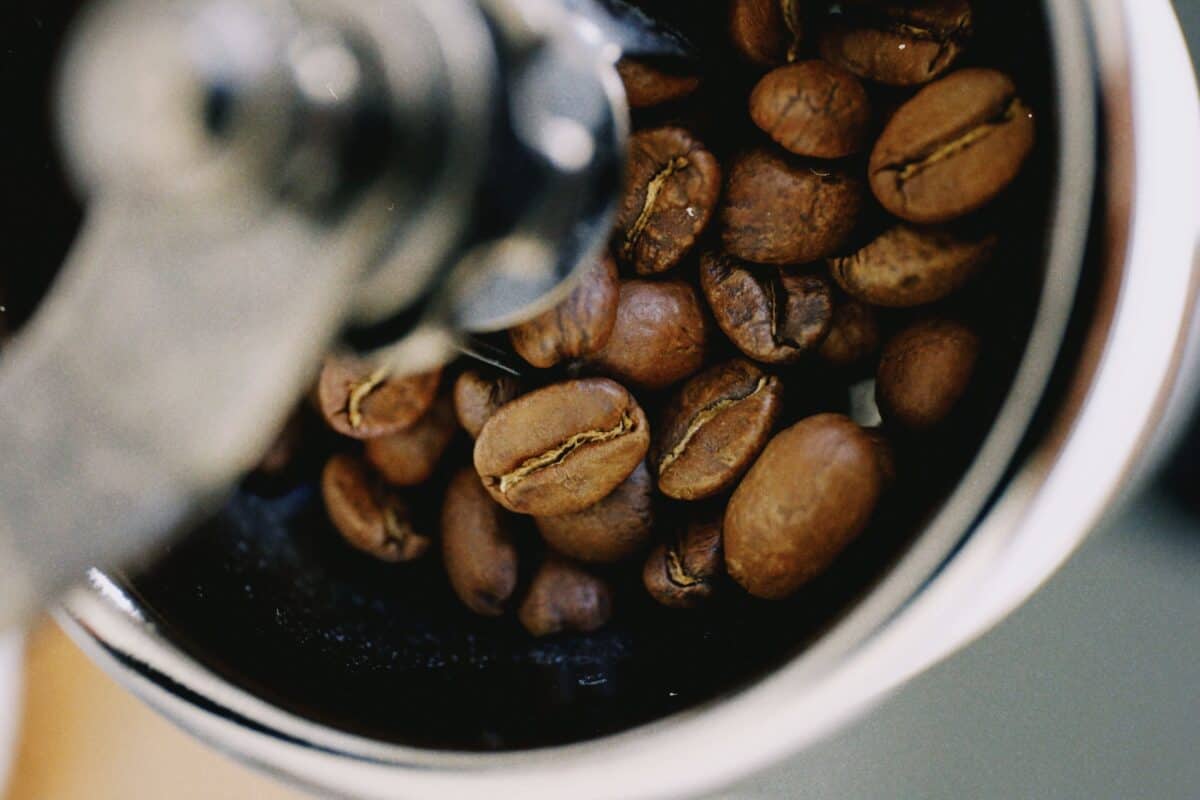
Fresh roasted coffee refers to coffee beans that are packaged and delivered soon after roasting. Unlike coffee that sits on store shelves for months, freshly roasted beans retain more of their natural oils, aromatic compounds, and flavour complexity. After roasting, coffee beans release carbon dioxide through a natural process called degassing. Most coffees reach their ideal brewing window a few days after roasting, allowing the flavours to develop while preserving their freshness. Experienced coffee roasters carefully monitor the roast date range to ensure customers enjoy optimal flavour development. Many consumers choose whole beans over pre-ground coffee because grinding immediately before brewing helps preserve aroma and flavour for a richer cup.

Why Freshness Matters
Freshness plays a significant role in the overall quality of your coffee. Over time, exposure to oxygen, moisture, heat, and light causes coffee beans to lose their aroma and flavour. When you choose fresh roasted coffee, you can expect a more satisfying coffee experience with noticeable improvements in both aroma and taste. Fresh beans often produce brighter flavours, a smoother finish, and a more balanced cup compared to coffee that has been stored for long periods.
Many coffee enthusiasts appreciate freshly roasted beans because they highlight the coffee’s natural tasting notes, whether they include hints of chocolate, caramel, berries, citrus, nuts, or floral undertones. This attention to quality is one reason specialty coffee continues to grow in popularity around the world.
The Roasting Process Shapes Flavour
Roasting transforms green coffee beans into the flavorful beans used for brewing. During this process, sugars caramelise, acids develop, and hundreds of aromatic compounds are created. Understanding different coffee roast levels helps coffee drinkers choose beans that match their taste preferences.
Light Roast
Light roast coffee preserves much of the bean’s original character. It typically offers bright acidity with fruity, floral, or citrus notes, making it popular among single-origin coffees and specialty-grade arabica coffee enthusiasts.
Medium Roast
Medium roast provides an excellent balance between the bean’s natural flavours and the sweetness created during roasting. Expect notes of caramel, chocolate, nuts, and a smooth body. Many roasters recommend this profile as an ideal filter roast for manual brewing.
Dark Roast
Dark roast produces bold, rich flavours with lower acidity. Common tasting notes include dark chocolate, roasted nuts, and smoky undertones, making it ideal for those who prefer a stronger coffee profile. It is also widely used for espresso roast and premium espresso blends.

How to Store Fresh Roasted Coffee
Proper storage is essential to maintain the quality of fresh roasted coffee. Even the best beans can lose their freshness if stored incorrectly. Keep your coffee beans in an airtight container and place them in a cool, dry location away from direct sunlight. Avoid storing coffee in the refrigerator, as moisture and temperature fluctuations can negatively affect the beans. For the best flavour, purchase coffee in quantities that you can finish within a few weeks after opening the bag. Coffee that is roasted locally often reaches consumers more quickly, helping preserve freshness from the roastery to your cup.
Choosing High-Quality Fresh Roasted Coffee
When shopping for coffee, always check the roast date instead of relying solely on the expiration date. A clearly labelled roast date indicates that the roaster values freshness and transparency. It is also helpful to choose coffee from reputable roasters who provide detailed information about the bean origin, processing method, and roast profile. This allows you to better understand what flavours to expect before brewing. Many premium coffees sourced from regions such as Central America are recognised for their exceptional flavour profiles and consistent quality. Packaging also matters. Coffee bags equipped with one-way degassing valves help preserve freshness by allowing gases to escape while preventing oxygen from entering the package.
Fresh Roasted Coffee for Every Brewing Method
Fresh beans perform well across a variety of brewing methods. Espresso made from freshly roasted coffee often produces a richer crema and a more aromatic shot. Pour-over brewing highlights delicate floral and fruity notes, while French press creates a fuller body and smooth mouthfeel. Cold brew also benefits from fresh beans, producing a cleaner, naturally sweet flavour with reduced bitterness.
Whether you use professional coffee brewing equipment or simple home coffee equipment, fresh beans consistently deliver better extraction and a more enjoyable cup. Many cafés even use freshly roasted coffee as the foundation for beautiful latte art and other specialty beverages.

Why More Coffee Drinkers Choose Fresh Roasted Coffee
The growing popularity of specialty coffee has encouraged consumers to pay closer attention to coffee quality. Rather than simply looking for strong coffee, many people now seek beans that showcase unique regional characteristics and carefully crafted roast profiles.
Coffee lovers are also becoming more interested in coffee appreciation, attending coffee workshops, participating in coffee cupping, and learning more about coffee brewing. These experiences help consumers better understand how roasting, origin, and brewing techniques influence flavour. Freshly roasted coffee offers an authentic coffee experience by preserving the flavours intended by both the coffee farmer and the roaster. It also supports small-batch roasting practices that focus on consistency, quality, and attention to detail.
Conclusion
Choosing fresh roasted coffee is one of the easiest ways to elevate your daily coffee routine. Fresh beans deliver richer aromas, more complex flavours, and a smoother finish that cannot be replicated by coffee that has spent months in storage.
Whether you’re brewing coffee at home, supplying a coffee shop, operating a high-volume cafe, or searching for premium coffee beans for your business, investing in freshly roasted coffee ensures every cup delivers exceptional taste and freshness from the first sip to the last. By selecting quality beans, understanding roast profiles, and using the right brewing techniques, you can enjoy coffee at its very best every single day.