


Roasted Nuts Health Benefits: Why They Belong in a Balanced Diet
17 September, 2026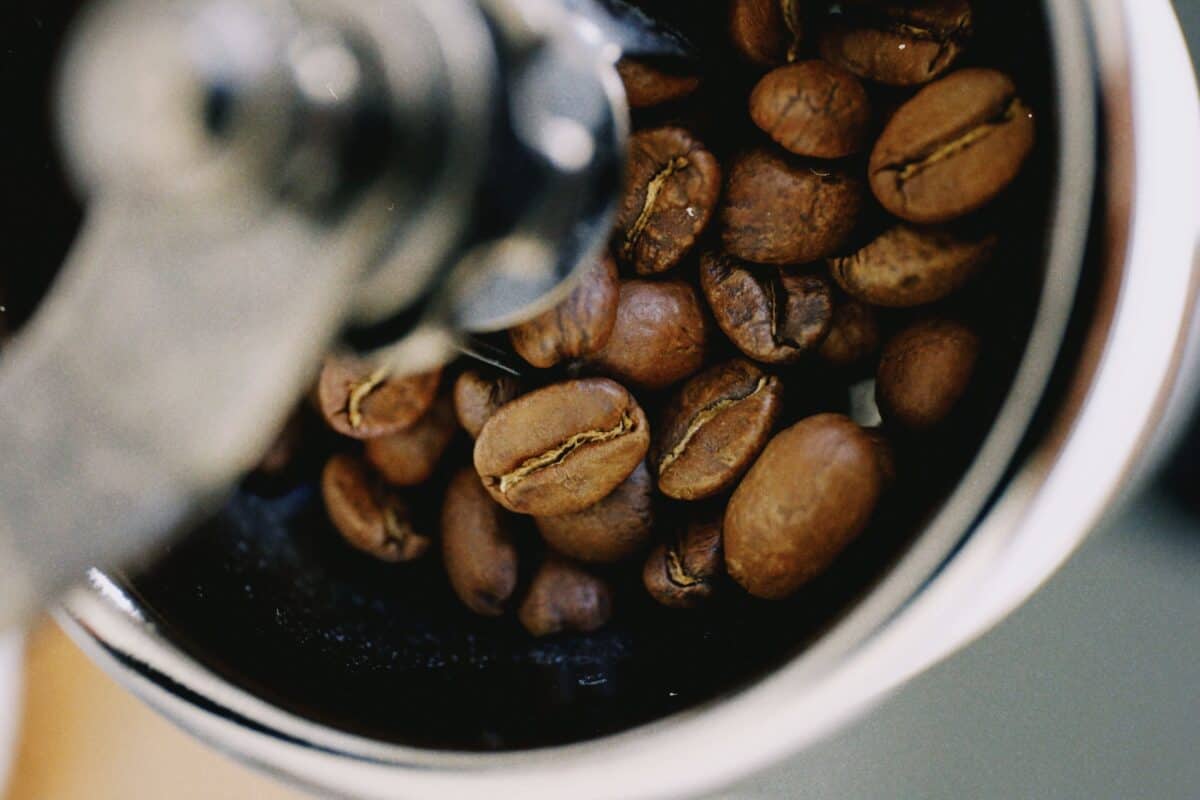
How to Choose the Best Coffee Beans for Home Brewing
Finding the best coffee beans for home brewing is less about choosing the most expensive bag and more about understanding how different beans behave during extraction. Origin, roast level, freshness, processing method, and grind size can all influence the final cup.
For home brewers, we recommend starting with beans that match both your preferred flavour profile and brewing equipment. A pour-over setup, French press, espresso machine, and AeroPress can produce very different results from the same coffee. Choosing beans with these differences in mind makes it easier to create a balanced, enjoyable cup consistently.
Freshness should also be a priority. Coffee beans gradually lose aromatic compounds after roasting, particularly when exposed to oxygen, heat, moisture, and light. Buying appropriate quantities and storing beans in an airtight container can help preserve their character longer.
Understanding Coffee Bean Origins and Flavour
Coffee-growing regions are often associated with distinctive flavour characteristics, although the final profile also depends on variety, altitude, climate, processing, and roasting. Beans from Ethiopia, for example, are frequently associated with floral, citrus, and fruit-forward notes. Colombian coffees can offer a balanced combination of sweetness, acidity, and nuttiness, while Brazilian beans are often appreciated for chocolate, caramel, and nutty characteristics. These are broad tendencies rather than fixed rules, but they provide a useful starting point when selecting beans.
We can think of coffee origin much like ingredients in cooking. Different ingredients bring different natural characteristics to a recipe. Choosing the right coffee origin gives us a foundation that can complement our preferred brewing method. If you enjoy a smooth morning coffee with chocolate and nutty notes, a medium-roasted Brazilian or Colombian coffee may be a good starting point. For a brighter and more aromatic cup, a lightly roasted Ethiopian coffee may be worth exploring.

Choosing the Right Roast Level
Roast level significantly affects how coffee tastes. Light, medium, and dark roasts can highlight very different characteristics even when they come from the same origin. Light roasts generally retain more of the bean’s origin characteristics and can showcase acidity, floral aromas, fruitiness, and nuanced flavours. They work particularly well with pour-over brewing, where controlled extraction lets these delicate characteristics stand out.
Medium roasts offer a useful balance between origin character and roast-developed flavours. Notes such as caramel, chocolate, nuts, and dried fruit are common, making medium-roasted coffee a versatile option for many home brewing methods. Dark roasts typically have more pronounced roasted, smoky, bitter, and chocolate-like characteristics. They can be particularly appealing to people who prefer a bold cup or traditional espresso-style flavour. There is no universally perfect roast. The best choice depends on whether you prefer a bright, complex coffee, a balanced everyday cup, or a bold, intense brew.
Matching Coffee Beans to Your Brewing Method
The brewing method should influence our choice of coffee beans. Different techniques use different combinations of temperature, contact time, pressure, and filtration, which can affect how flavours are extracted.
For pour-over coffee, we can explore light to medium roasts with clear acidity and distinctive aromatic notes. The paper filter produces a clean cup that can make subtle flavours easier to identify.
For a French press, medium to medium-dark roasted beans can provide a fuller body and rich flavour. Beans with chocolate, caramel, nut, and spice characteristics can work particularly well because the immersion brewing process produces a substantial mouthfeel.
For an AeroPress, we have considerable flexibility. Medium roasts are a practical starting point, but light roasts can also produce bright, complex results when we adjust the grind size, water temperature, and brew time.
For espresso, medium and medium-dark roasts are commonly chosen for their body, sweetness, and ability to produce a balanced shot. However, modern specialty coffee has also demonstrated that lighter roasts can produce excellent espresso when the recipe is adjusted appropriately.

Why Freshness Matters for Home Brewing
Freshly roasted coffee can make a noticeable difference to the home brewing experience. Coffee contains hundreds of volatile compounds that contribute to its aroma and flavour, and these compounds gradually change after roasting. Look for a roast date rather than relying only on a general “fresh” label. Coffee also needs time to release carbon dioxide after roasting, so immediately brewing extremely fresh beans may not always produce the best extraction.
For many home brewing situations, beans that have rested after roasting can offer a more balanced brewing experience. The ideal period varies by coffee, roast level, and brewing method, so experimentation remains valuable. Storage is equally important. Keep coffee in an airtight container away from direct sunlight, heat, and moisture. Grinding beans immediately before brewing is also preferable because ground coffee has considerably more surface area exposed to oxygen.
Finding the Best Coffee Beans for Your Daily Routine
The best coffee beans for home brewing should fit naturally into our daily routine. A complex specialty coffee may be fascinating for weekend experimentation, while a dependable medium roast may be more practical for a quick weekday breakfast.
We can also build a small coffee rotation rather than searching for one permanent favourite. For example, a chocolate-forward medium roast can become our everyday option, while a floral light roast can provide variety when we want to explore more distinctive flavours. This approach makes home brewing more engaging without requiring expensive equipment. By changing one variable at a time—such as origin, roast level, grind size, or brewing ratio—we can gradually understand which characteristics we enjoy most.

Pairing Coffee with a Thoughtful Snack
A good cup of coffee becomes even more enjoyable when paired with the right snack. Sweet, nutty, savoury, and lightly spiced foods can complement different coffee profiles without overpowering them. For a balanced afternoon break, we can pair a medium-roasted coffee with a crisp savoury snack such as premium Indonesian emping melinjo. Its distinctive nutty character and satisfying crunch offer a different texture from coffee while providing a refined alternative to overly sweet snacks. This pairing works particularly well when you want a simple home coffee ritual that feels more considered. Rather than adding excessive sugar or heavy desserts, a naturally savoury snack can provide contrast and keep the focus on the coffee itself.
Making Better Coffee at Home
Choosing quality beans is only one part of producing a great cup. We should also pay attention to water quality, grind consistency, brewing temperature, coffee-to-water ratio, and extraction time. A simple way to improve is to keep the recipe consistent while changing only one variable at a time. If the coffee tastes sour or thin, we may need greater extraction through a finer grind, hotter water, or longer brewing time. If it tastes excessively bitter or harsh, reducing extraction may help. Over time, this process helps us understand our coffee rather than follow a fixed recipe. The result is a more repeatable home brewing routine and a better appreciation of the characteristics that make each coffee unique.
Build Your Ideal Home Coffee Experience
The best coffee beans for home brewing ultimately depend on our personal preferences, brewing equipment, and daily habits. By considering origin, roast level, freshness, storage, and brewing method together, we can make more informed choices and discover coffees that suit our palate. We can also make the experience more enjoyable by treating coffee as part of a broader food ritual. A carefully brewed cup paired with a quality savoury snack can turn an ordinary break into a more satisfying moment—whether we are starting the morning, taking an afternoon pause, or enjoying a relaxed weekend at home.


