


Best Coffee Beans for Home Brewing: A Practical Guide
24 September, 2026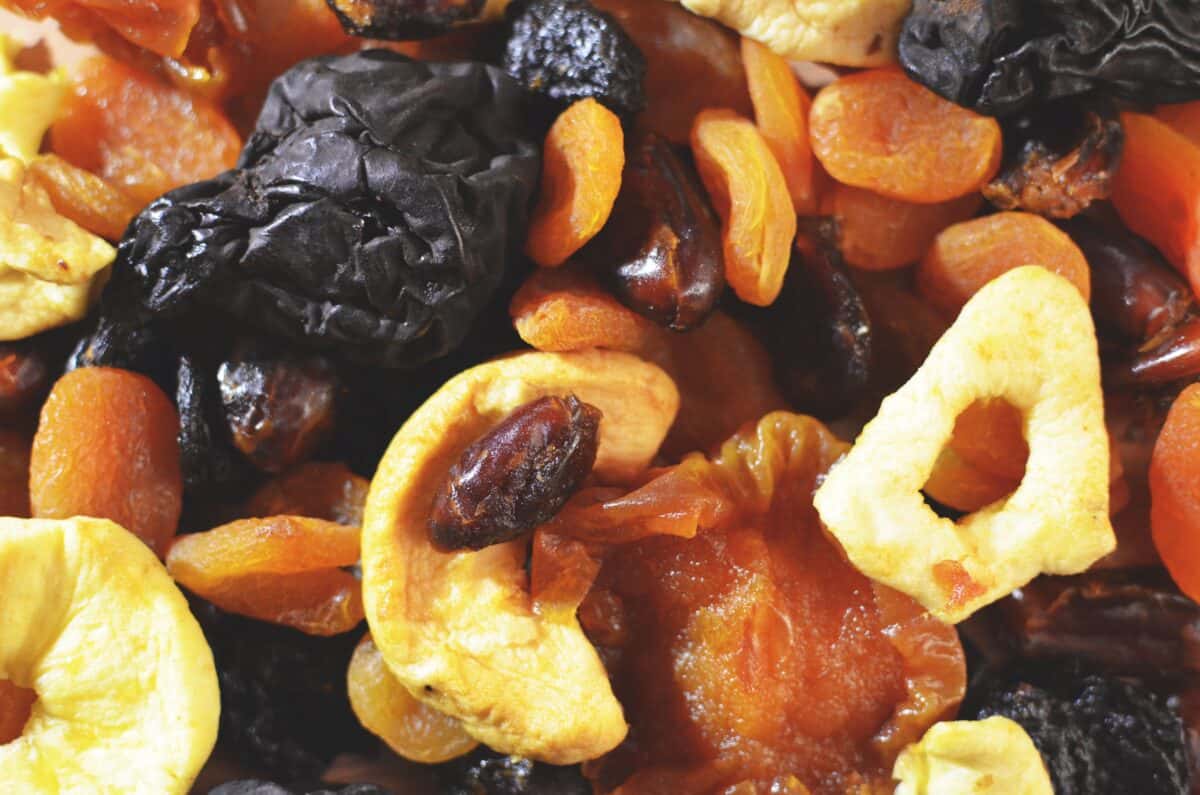
When we need a convenient energy source during a busy day, dried fruit can be an excellent addition to our snack routine. Unlike fresh fruit, dried fruit has had much of its water removed, making it lightweight, portable, and naturally concentrated in carbohydrates and calories. This makes it particularly practical for work, travel, exercise, and moments when we need something quick between meals.
The best dried fruits for energy-boosting snacks include dates, raisins, dried apricots, prunes, figs, and other naturally dried fruits. Each offers a slightly different nutritional profile, texture, and flavour, so we can choose based on our dietary needs and preferences. However, because drying concentrates the fruit’s natural sugars and calories, portion size remains important.
Why Dried Fruit Can Be a Convenient Energy Snack
Our bodies primarily use carbohydrates as a readily available energy source. Fruit naturally contains carbohydrates, including naturally occurring sugars, and drying removes much of its water content while retaining many of the fruit’s nutrients and carbohydrates. As a result, a small serving of dried fruit can provide considerably more carbohydrate than the same volume of fresh fruit.
This concentration is one reason dried fruit works well as an energy-boosting snack. We can easily keep a small portion in a desk drawer, handbag, gym bag, or travel container without worrying about refrigeration. Dried fruit also provides nutrients such as dietary fibre, potassium, and various vitamins and minerals, depending on the fruit. Fibre can make a snack more satisfying, but dried fruit should not automatically be considered a substitute for a balanced meal.

Dates: A Naturally Sweet Source of Quick Energy
Dates are among the most popular choices when we are looking for an energy-dense dried fruit. They are naturally sweet and provide carbohydrates that can be useful before or after physical activity. Their soft, chewy texture also makes dates easy to eat on their own. For a more balanced snack, we can combine dates with nuts or seeds. The combination provides carbohydrates alongside protein and fats, creating a more substantial option than eating dried fruit alone. When buying dates, check the ingredient list. Some products contain added sugar or syrups, while others are dried fruit.
Raisins: Portable and Easy to Enjoy
Raisins are another practical option for an energy-boosting snack. Because they are small and lightweight, they are particularly convenient for commuting, hiking, cycling, or keeping at work. Raisins provide naturally occurring carbohydrates and also contain dietary fibre and minerals such as potassium. Their concentrated sweetness means a relatively small portion can deliver satisfying flavour without preparation. We can enjoy raisins on their own or add them to oatmeal, yoghurt, whole-grain cereal, or a homemade trail mix. Pairing raisins with nuts can also provide a broader combination of macronutrients.

Dried Apricots for a Nutrient-Rich Snack
Dried apricots offer a balance of sweetness and mild tartness, making them an appealing alternative when we want something different from dates or raisins. They also provide dietary fibre and potassium. Their firm, chewy texture makes them easy to portion and pack. We can enjoy dried apricots as a standalone snack or combine them with almonds, walnuts, or other nuts. When choosing dried apricots, check whether sulphites or other preservatives have been added. Product formulations vary, so reading the ingredient label helps us understand exactly what we are consuming.
Figs and Prunes for Fibre and Natural Sweetness
Dried figs provide natural sweetness together with dietary fibre and minerals. Their distinctive texture, with tiny edible seeds, makes them particularly satisfying for people who prefer a more substantial dried-fruit snack. Prunes, which are dried plums, are also notable for their fibre content. They have a naturally rich, sweet flavour and can be eaten alone or incorporated into breakfast dishes and snack combinations. Both can be useful additions to a varied diet, particularly when we want a snack that offers more than sweetness alone.

How to Choose the Best Dried Fruits for Energy
Not all dried-fruit products are formulated in the same way. The simplest choices are usually products where the ingredient list consists mainly of the fruit itself. Some packaged dried fruits may contain added sugar, syrups, oils, flavourings, or preservatives. We should therefore compare nutrition labels rather than judging a product solely by its appearance or marketing claims. Serving size matters because dried fruit is more calorie-dense than fresh fruit by volume. For everyday snacking, we can also consider the product’s texture and portability. Small portions of raisins or chopped dates may be convenient for travel, while larger dried fruits such as apricots and figs can work well on a more deliberate snack plate.
Pair Dried Fruit With Protein or Healthy Fats
Although dried fruit provides convenient carbohydrates, pairing it with another food can create a more balanced snack. Nuts and seeds are particularly useful companions because they contribute protein and unsaturated fats. For example, we can combine raisins with almonds, dried apricots with walnuts, or chopped dates with natural nut butter. Greek yoghurt with chopped dried fruit is another practical combination for breakfast or an afternoon snack. This approach adds variety while turning dried fruit from a simple sweet snack into a more complete option.
What About Emping as an Energy Boosting Snack?
Dried fruit is not the only convenient snack option. For those who enjoy savoury flavours and a satisfying crunch, traditional Indonesian snacks can provide a different experience. Emping melinjo, made from carefully processed melinjo seeds, offers a distinctive crisp texture and savoury character. Rather than replacing dried fruit nutritionally, it can complement a broader snack selection for people who prefer alternating between sweet and savoury foods. At Emping So Good, we craft Indonesian emping with a premium approach, giving us the chance to enjoy the characteristic crunch of melinjo alongside other favourite snacks.

How Much Dried Fruit Should We Eat?
Because dried fruit is concentrated, moderation is important. A small handful can be substantially more energy-dense than the same volume of fresh fruit. We should therefore use the serving size shown on the nutrition label as a practical guide. For an active day, dried fruit can be especially convenient before exercise, during longer periods of activity, or when we need something portable between meals. For everyday desk snacking, a measured portion helps us enjoy the sweetness without unintentionally overconsuming. Ultimately, the best energy-boosting snack fits our overall eating pattern, activity level, preferences, and nutritional needs.
Building Better Energy Boosting Snack Combinations
The best dried fruits for energy-boosting snacks become even more versatile when combined with complementary foods. A simple trail mix of raisins, dried apricots, nuts, and seeds can provide contrasting flavours and textures. Dates with nut butter offer a naturally sweet combination, while dried figs with yoghurt can make a satisfying afternoon snack.
We can also alternate sweet and savoury options throughout the day. Dried fruit can provide natural sweetness and concentrated carbohydrates, while crunchy snacks such as emping can satisfy a preference for savoury textures. By choosing minimally processed ingredients, watching portion sizes, and combining different food groups, we can create convenient snacks that are enjoyable, portable, and suitable for an active lifestyle.


