Indonesian Snacks: A Journey of Flavours and Textures
11 June, 2025
Emping Belinjo: A Cherished Indonesian Tradition
2 July, 2025
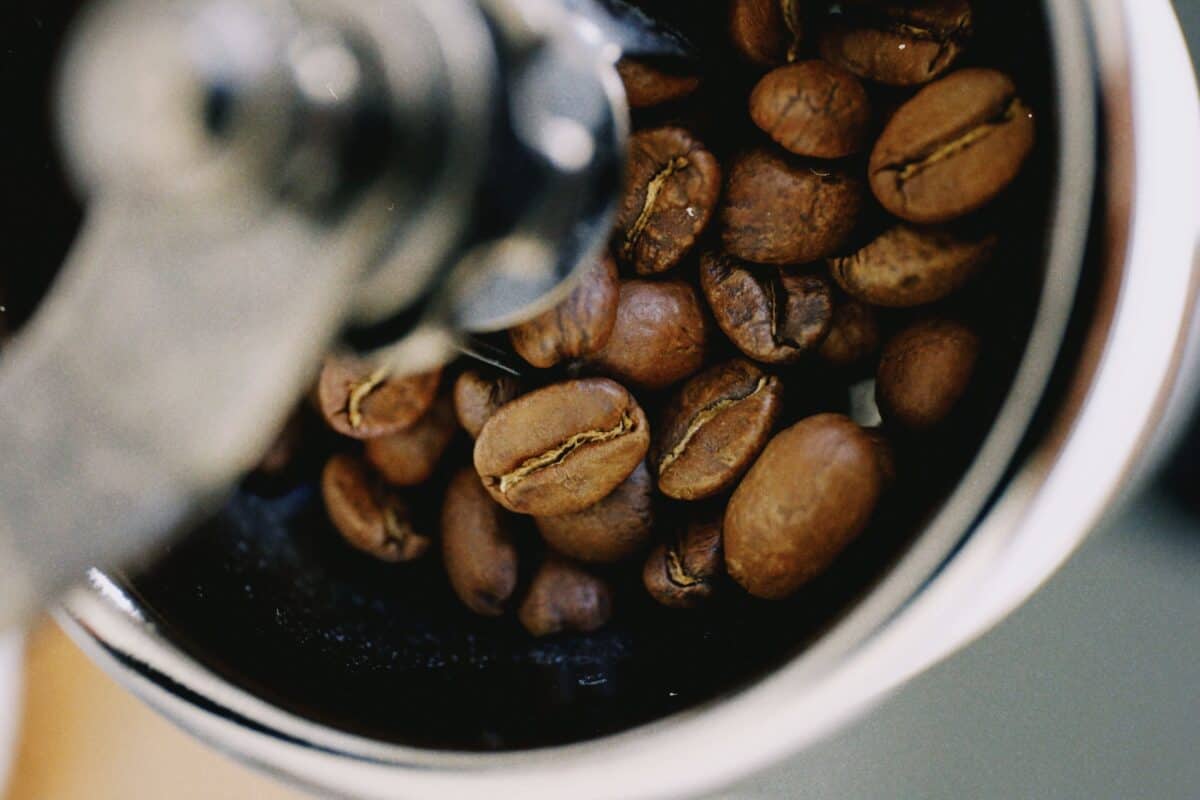
Coffee is more than just a morning boost; it’s a staple of life for coffee enthusiasts worldwide. From the intricate brewing techniques to the rich history of coffee cultivation, each type of coffee bean tells a unique story. Let’s take an in-depth journey through the variety of coffee beans, brewing methods, and popular coffee drinks that fuel our days.
1. Arabica: The Premium Bean for Coffee Lovers
Known as the most popular type among coffee drinkers, Arabica is cherished for its nuanced flavour profiles. It thrives in high altitudes with cooler temperatures, often in countries like Colombia, Costa Rica, and Ethiopia. Arabica beans naturally have low caffeine content and are favoured because of their sweet, fruity, and floral complex flavour profiles.
These coffee bean types are delicate and require careful handling during coffee production. Arabica is commonly used in speciality coffee shops and is a staple for popular coffee drinks like lattes, Americanos, and Café au Lait. When prepared in an espresso machine, it delivers an espresso shot with a creamy texture and even a layer of foam added. Its adaptability makes it a favourite for crafting warm milk drinks like cappuccinos or espresso-based drinks.
For those exploring home brewing, Arabica works well in Drip coffee makers, where the ratio of coffee to water is critical for brewing the perfect cup of coffee. This bean type attracts coffee enthusiasts who enjoy experimenting with brewing techniques, from pour-over to cold brewing.

2. Robusta: Bold and Caffeinated
If you prefer strong coffee with a vibrant energy boost, Robusta coffee is your ideal pick. Originating in Southeast Asia and Africa, this type of coffee bean contains almost double the caffeine of Arabica. Its strong flavour comes with earthy, nutty undertones and a harsh flavour that appeals to those who love a sharp, bitter flavour profile.
Robusta thrives in hot climates and lower elevations, making it affordable and widely available. It’s the leading choice for instant coffee and Black coffee. This bean is also commonly used in blends designed for espresso drink lovers who crave an intense coffee flavour. Many coffee drinkers enjoy Robusta in cold coffee drinks like iced mochas or refreshing iced lattes. Additionally, Robusta provides the signature taste of Turkish coffee, which is known for its finer grounds and rich texture.
You’ll often find Robusta beans in blends for double espresso shots or espresso-based drinks on coffee shop menus. Pair it with chocolate syrup or foamed milk for an indulgent treat.
3. Liberica: The Exotic Treasure
Liberica coffee offers a rare treat for adventurous coffee drinkers. Known for its distinct, complex flavor profile, this bean is grown primarily in Southeast Asia. Liberica beans are larger than other coffee bean types and have a woody, floral fragrance.
With a taste that combines earthy tastes and fruity notes, Liberica is often considered a niche choice. A shot of espresso made from Liberica delivers a concentrated flavour with bold aromas—perfect for those seeking something different from the usual regular coffee. Liberica is sometimes blended with other beans to enrich the coffee base. Coffee shops that offer Liberica-based drinks are beloved by coffee enthusiasts eager to explore unique coffee preparation methods.
For a luxurious experience, try Liberica in iced coffee drinks or with a layer of foam for a creamier effect.
4. Excelsa: The Flavorful Outsider
Excelsa is technically a variety of Liberica but stands out with its distinctive complex flavors. Mainly cultivated in warm climates of Asia and Africa, Excelsa provides a light body and bitter taste. With its fruity and tart flavour profiles, it is often used in blends to enhance depth and balance.
Excelsa appeals to coffee drinkers who enjoy cold brews. Its subtle flavours make it ideal for hot coffee drinks with milk, such as Milky coffee or cold coffee drinks, like Cold Brew coffee. On the coffee drink menus of speciality coffee shops, Excelsa-based beverages are often recommended for coffee lovers seeking sophisticated options.

5. Brewing Techniques: Hot and Cold Preparations
How coffee is brewed drastically changes its flavour, texture, and strength. Traditional methods like brewing styles with hot water—such as espresso or pour-over—emphasize the intense flavour of the coffee. For example, an espresso shot uses finely-ground coffee beans to produce a strong flavor. Adding hot milk or a splash of milk creates Italian drinks like cappuccinos or macchiatos, while frothing adds milk foam for the perfect velvety texture.
Meanwhile, cold brewing has become a hit, especially in warmer weather. It uses cold water and an extended brewing time to create a refreshing alternative with a smooth yet strong flavour. Coffee with ice—like iced lattes or coffee with milk—delivers a gentle caffeine buzz without the acidity associated with hot drinks.
These brewing methods depend on key elements like the ratio of espresso to milk, the grind size, and the brewing times. Whether you’re a fan of hot espresso, cold brews, or espresso macchiato, the method you choose unlocks diverse types of coffee drinks.
6. Popular Coffee Drinks on Menus
Walking into any coffee bar, you’ll notice an exhaustive list of coffee drinks designed for every palate. Starting with the classics, a cup of coffee can be as simple as regular coffee brewed over medium heat. For a more concentrated option, espresso-based beverages like lattes, cappuccinos, and mochas dominate coffee shop menus. These include variations like double-shot espressos, single shots, or espresso with milk.
Other popular coffee drinks include Cold brew coffee, often cold-served with coffee syrup or fresh cream. Iced coffees are especially popular in summer, combining cold milk or a splash of milk with flavoured elements like chocolate syrup or caramel drizzle.
Meanwhile, creative drinks like Irish coffee or Egg coffee combine the richness of coffee concentrate with unexpected additions like whiskey or egg yolks, delivering a uniquely indulgent experience.
7. Coffee’s Cultural and Social Impact
From French Café au Lait mornings to Italian Latte art, coffee’s cultural significance extends beyond the cup. Coffee shops serve as gathering places for communities, while coffee drinker habits have evolved to include sustainable practices. The Colombian coffee industry leads the shift toward eco-friendly coffee supply chains, ensuring that every quality coffee supports coffee growers and farmers.
At the consumer level, innovations in brewing techniques and coffee grinder designs have enabled enthusiasts to elevate their home brewing experience. The flexibility to choose between types of coffees—whether decaf coffee, concentrated coffee, or flavoured blends—ensures that every coffee enthusiast can find their perfect brew.
8. Decadent Pairings and Flavor Notes
To enhance your coffee experience, consider pairing your drink with complementary flavours. Options like dark chocolate snacks highlight the roasted complexity of coffee base flavours, while chocolate shavings or syrups bring sweetness to hot coffee beverages. Adding condensed milk gives Vietnamese coffee its signature rich, creamy texture, while foamed milk enhances the balance of a latte or cappuccino.
The endless opportunities to personalize your coffee—from grind levels to roast origins—are part of what makes this fascinating type of coffee drink an enduring global obsession. Whether you enjoy a leisurely sip from iced coffees in warmer climates or a strong, bitter flavor profile from an intense coffee experience, coffee continues to unite diverse cultures through its complexity.

Conclusion: The Endless Journey of Coffee Discovery
Coffee is more than a drink; it is a way of life, a universal language, and a profoundly personal experience for coffee lovers worldwide. From the vast range of types of coffee bean to the countless brewing techniques and creative types of coffee drinks, the versatility of coffee ensures that there is something for everyone, no matter your taste or preference. Its rich history, cultural significance, and ability to unite people have cemented its place as one of the most celebrated beverages worldwide.
Each type of coffee bean—from the delicate, floral Arabica to the bold, caffeine-rich Robusta, the exotic Liberica, and the tart, fruity Excelsa—offers a unique journey of flavours and aromas. Coffee’s global cultivation—from Ethiopian highlands to Southeast Asia’s tropical climates, from Central and South America’s fertile lands to Africa’s sunny fields—has shaped regional identities and traditions. Every bean tells the story of coffee farmers, coffee growers, and regions dedicated to perfecting their craft.
Beyond the beans, coffee’s evolution in preparation and delivery has created unforgettable coffee drink menus. Classics like Black coffee or espresso macchiato remain staples, while modern innovations like Cold brew coffee, iced lattes, and Irish coffee have gained immense popularity among coffee drinkers. Even the tiniest details, such as a splash of milk, chocolate shavings, or a layer of foam added, can completely transform the experience into something luxurious and indulgent.
Coffee also represents innovation and sustainability. As consumers seek better brewing techniques, innovative brewing equipment, like Drip coffee makers and espresso machines, allows them to enjoy quality coffee from home. The Colombian coffee industry and other producers worldwide continue to prioritize ethical practices in the coffee supply chain, ensuring that the future of coffee remains as vibrant as its past.
Ultimately, coffee reflects life—filled with simplicity and complexity, boldness and subtlety. Whether it’s enjoyed hot with finely-ground coffee beans or cold in sugary, iced coffees, coffee never fails to meet the moment. For those who cherish its warmth on a chilly morning or its coolness during warmer weather, the diversity of coffee drinkers is truly united by one thing: a shared passion for this remarkable beverage. So, with every cup of coffee, we celebrate not just a drink but an enduring cultural treasure.