Best Ways to Serve Emping Crackers: A Complete Guide
15 October, 2026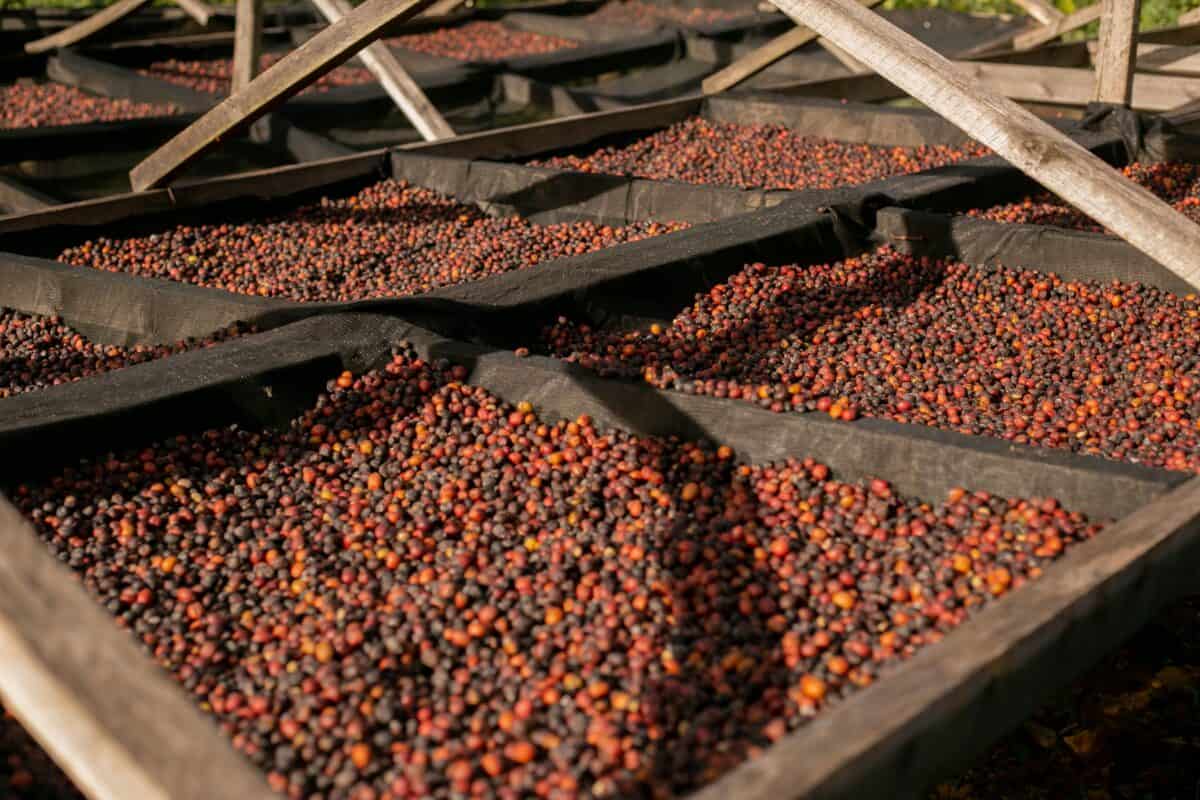
Indonesia is widely recognised for its rich coffee heritage, diverse growing regions, and distinctive flavour profiles. From the volcanic highlands of Sumatra to the mountainous landscapes of Java and Sulawesi, the country produces coffee that appeals to a wide range of coffee enthusiasts. For consumers who value both flavour and responsible sourcing, organic coffee beans from Indonesia offer an interesting way to explore the relationship between agriculture, origin, and quality.
Whether you brew coffee at home, explore speciality coffee, or seek more sustainable purchasing options, understanding Indonesian coffee can help you make better choices. By exploring its origins, potential flavour profiles, farming practices, and purchasing considerations, we can appreciate what makes Indonesian coffee distinctive.
Why Choose Organic Coffee Beans from Indonesia?
Organic coffee is generally associated with agricultural practices that restrict synthetic pesticides and fertilisers, subject to the requirements of the relevant certification system. Organic farming may also emphasise soil health, biodiversity, and responsible land management. However, organic standards vary by country, and not all coffee grown using natural methods is officially certified organic.
Indonesia offers a compelling environment for coffee cultivation because of its varied elevations, tropical climate, volcanic soils, and regional growing conditions. These factors influence how coffee plants develop and how the resulting beans taste.
Certified organic Indonesian coffee can appeal to consumers who want to understand how their coffee is produced and prefer products backed by verifiable farming standards. Nevertheless, organic certification alone does not guarantee superior flavour. Bean variety, harvest ripeness, processing methods, storage, and roasting all shape the final cup.
For this reason, we should consider both production practices and coffee quality when selecting beans. Looking for clear information about the farm or region, processing method, roast date, and certification can help us make a more informed purchase.

Exploring Indonesia’s Major Coffee-Growing Regions
One of the most interesting aspects of Indonesian coffee is the diversity between growing regions. Altitude, climate, local varieties, and processing traditions can create noticeably different characteristics, even when the beans come from the same country.
Sumatra: Rich and Full-Bodied Coffee
Sumatra is best known for coffees with substantial body and earthy, herbal, or spicy notes. Certain coffees from the Gayo Highlands in Aceh and other Sumatran growing areas are processed using methods such as giling basah, commonly known as wet-hulling.
This traditional processing method influences the appearance and development of the beans and is associated with some of the deep, earthy flavour profiles that make Sumatran coffee distinctive.
For drinkers who enjoy a bold cup, Sumatran coffee can be an appealing option for French press brewing or espresso blends. Its full body can also pair well with milk, depending on the roast and individual bean characteristics.
Java: Balanced and Approachable Flavours
Java has a long history of coffee cultivation and remains an important part of Indonesia’s coffee industry. Depending on its origin and processing method, Java coffee may offer balanced acidity, a rounded body, and notes ranging from chocolate and nuts to gentle spice or fruit.
These characteristics can make Java coffee a versatile choice for everyday brewing. Medium-roasted beans, for example, can balance sweetness, body, and acidity without letting the roast dominate the coffee’s natural character.
For consumers who are exploring Indonesian coffee for the first time, Java beans can be a useful starting point because different producers offer a range of approachable flavour profiles.
Sulawesi: Complex and Distinctive Coffee
Sulawesi, particularly the Toraja highlands, is known for distinctive Arabica coffees. Depending on the producer and processing method, these coffees may feature a full body, earthy depth, gentle spice, and complex sweetness.
Regional growing conditions and local processing traditions shape their character. Some coffees suit slow brewing methods that let their body and layered flavours develop gradually.
For coffee enthusiasts who enjoy comparing beans from different origins, Sulawesi offers another perspective on Indonesia’s coffee diversity.
Remember that these are general regional tendencies, not fixed rules. Two coffees from the same region can taste quite different depending on the cultivar, harvest, processing, and roasting decisions.

How Organic Coffee Farming Can Support Sustainability
Coffee farming takes place within complex agricultural ecosystems. Soil quality, water management, biodiversity, and pest control can all influence the long-term health of a coffee-growing area.
Organic farming standards typically restrict approved inputs and may encourage practices such as composting, cover cropping, and biological pest management. When implemented appropriately, these approaches can support soil management and reduce reliance on certain synthetic agricultural chemicals.
In Indonesia, where coffee is often cultivated in highland environments, responsible land management is especially relevant. Protecting soil from erosion, maintaining appropriate shade and managing water resources can strengthen coffee farms’ resilience.
However, we should avoid assuming that every organic farm automatically has a lower environmental impact than every conventional farm. Results depend on agricultural practices, yields, local conditions, processing, transportation, and other factors.
Consumers who prioritise sustainability can look beyond the organic label by examining farm-level information, traceability, and other independently verified environmental or social standards. Purchasing coffee from suppliers who provide transparent information about their producers can also make it easier to understand where the product comes from.
How to Choose Quality Organic Indonesian Coffee Beans
Selecting good coffee involves more than finding an attractive package or a familiar origin name. Consider several factors to determine whether the beans suit your preferences and brewing routine.
First, check the organic certification. If certified organic coffee matters to us, look for a recognised certification that applies to the product and the market where it is sold. A description such as naturally grown or chemical-free should not automatically be treated as equivalent to verified organic certification.
Second, look for origin and processing details. Information about the growing region, Arabica or Robusta variety, and processing method provides useful context. Better traceability helps us compare products and understand flavour differences.
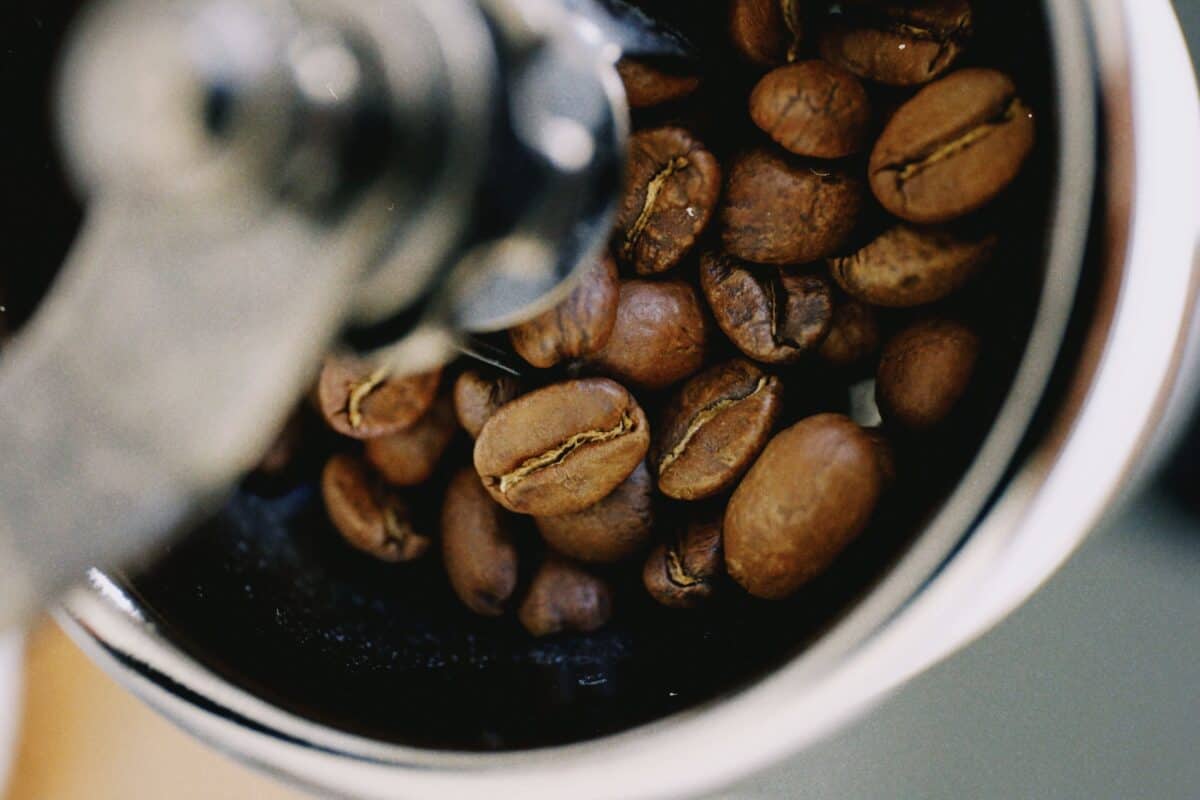
Third, consider freshness. Coffee beans gradually lose their aromatic complexity after roasting. Whenever possible, choose products with a clearly stated roast date and packaging that protects the beans from oxygen, moisture, heat, and light. Store them in a cool, dry place in an airtight container.
Finally, choose the right roast for your brewing method. A medium roast works well for pour-over or drip coffee when you want a balance of sweetness and origin character. Darker roasts can deliver more pronounced roasted notes and may suit those who prefer a bolder cup or milk-based drinks.
Whole beans are particularly useful because grinding them immediately before brewing helps preserve their aromas. We can also experiment with grind size, water temperature, and coffee-to-water ratios to find the flavour balance we enjoy most.

Brewing Indonesian Coffee to Bring Out Its Flavour
The way we brew coffee can significantly affect its taste. Even high-quality beans can produce a disappointing cup if the grind size, water ratio, or extraction time isn’t right.
For a straightforward starting point, use about 15 grams of coffee for 250 grams of water, then adjust to your preference. A medium grind generally suits many pour-over and drip methods, while a French press typically benefits from a coarser grind.
A French press can emphasise body and texture, making it a good choice for fuller-bodied Sumatran or Sulawesi coffees. Pour-over brewing offers greater control over extraction and can help highlight the balance and aromatic complexity of certain Java coffees.
Espresso is another option, particularly for coffees roasted with that brewing method in mind. We can adjust the grind and extraction time to balance bitterness, acidity, and sweetness.
These recommendations are starting points, not strict rules. The best brewing method depends on the specific beans, roast level, equipment, and personal taste.
Organic Indonesian Coffee and Thoughtful Food Pairings
Coffee becomes even more enjoyable when paired with foods that complement its flavour. Indonesian coffee with chocolate, nutty, or earthy notes pairs well with buttery pastries, dark chocolate, or lightly sweet baked goods. Coffees with brighter fruit notes pair well with fruit-based cakes or less-sweet desserts.
For a distinctly Indonesian-inspired experience, we can serve freshly brewed coffee alongside traditional snacks. Regional treats and savoury bites provide an opportunity to explore how contrasting flavours interact.
At Emping.sg, this also presents an interesting way to enjoy Indonesian food culture. Emping melinjo, with its characteristic savoury bitterness and crisp texture, offers a different pairing from conventional sweet biscuits. A lightly seasoned variety may complement a cup of coffee, while sweeter or spicier flavours create a more contrasting tasting experience.
The best pairing depends on the coffee’s roast and flavour profile, as well as the snack’s seasoning. Experimenting with small portions lets us find combinations that suit our preferences without overwhelming either flavour.

Conclusion: Discover the Diversity of Indonesian Coffee
Organic coffee beans from Indonesia offer an opportunity to explore the country’s diverse coffee-growing regions while paying closer attention to agricultural practices and product traceability. From the earthy depth often associated with Sumatra to the balanced profiles of Java and the complexity of Sulawesi, Indonesian coffee provides a broad range of experiences for coffee lovers.
To choose well, we should consider verified organic certification, bean origin, processing method, roast freshness, and brewing preferences rather than relying on a single label. These details help us appreciate both the work behind the beans and the qualities in the finished cup.
At Emping.sg, exploring Indonesian coffee alongside traditional Indonesian snacks is another way to discover the country’s rich culinary heritage. With thoughtful selection and preparation, each cup can offer a chance to enjoy distinctive flavours and connect with the traditions behind them.