


Emping Melinjo: The Complete Guide to Indonesia’s Signature Gnetum Gnemon Chips
3 November, 2025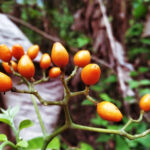
How to Fry Emping Melinjo: An Authentic Indonesian Guide
22 November, 2025
There’s a certain magic that happens when emping crackers hit the table—light, crispy disks that seem to puff up as soon as they touch hot oil. The journey to that satisfying crunch starts with the gnemon tree, or Gnetum gnemon, a sturdy fixture in lush corners of Southeast Asia and the western Pacific Ocean islands. It’s under these canopies that families harvest the precious gnetum seeds. These seeds, sometimes called the Bitter Nut or belinjao seed, are the star behind every batch of Indonesian cracker magic. But it’s not as simple as shelling and frying; the tradition here is woven with skill and a deep respect for natural ingredients. Using artisanal methods passed down through generations, cooks carefully peel away both the outer and inner skin of each nut, pound them until tender, then sun-dry until the texture is just right. You can see the roots of this craft at a bustling traditional market—especially ones like Pasar Kotagede—where bags of dried belinjau are passed along with recipes and knowing smiles. Each bite of Plain Emping is a taste of sustainable origins and the hands-on effort it take s to keep Indonesian Foods alive, from the forest floor to your kitchen.
The Chemistry of Bitterness in Each Bite

As soon as you bite into a piece of Emping Chips or Emping Melinjo, you’re met with a burst of flavour that stands in sharp contrast to the mellow snap of shrimp crackers like kerupuk udang or the familiar crunch of kerupuk bawang. The bitterness is striking—far more pronounced than in snacks made from tuber starch, such as those mild-mannered flavoured chips you’ll find at most stores. The melinjo tree puts nature to work in creating its signature taste, packing its seeds full of alkaloids, saponins, and flavonoids—an arsenal of plant defences. As described in The Encyclopedia of Asian Food and Cooking, it’s the gnetin seeds that make all the difference, delivering a potent, earthy edge that lingers long after the last crumbs are gone. For those who enjoy a flavour adventure, the bitterness is the main attraction rather than a deterrent. Some makers give their homemade belinjau crackers an extra kick with a dusting of chilli powder, while others balance things with a glaze of caramelised sugar. This bitterness, once meant to ward off predators, now draws food lovers seeking authenticity. Whether deep-fried or lightly toasted, each cracker is a tiny, edible history lesson on how flavours evolve as people do.
Emping in Indonesian Culture and Everyday Life
You’ll find emping crackers making a cameo at nearly every feast, right alongside bowls of lontong sayur, plates of fragrant nasi goreng, or hearty meals of oxtail soup and soto ayam. At celebrations or the family table, these crackers lend their unique taste to help cut through rich dishes—think velvety coconut curry or the tangy broth of Sayur Asem. In Indonesia, no Gado Gado—that irresistible Indonesian-style peanut sauce salad—feels quite complete without a handful of emping on top. Some people keep their crackers super-crisp by storing them in an airtight container, holding onto the fresh bite even on the most humid days. You’ll see children reaching for cups piled with Emping Chips dusted in spicy sambal belachan at markets, or home cooks bringing out bowls of homemade belinjau crackers to impress guests. Visiting a market like Pasar Kotagede, you’ll sense the pride around every sale. Cooking shows and online shopping platforms now make these snacks more accessible than ever—click “buy” and you can enjoy ad-free browsing and have authentic chips right now, whether it’s Spicy Emping, Tom Yam Emping, or even quirky treats like Prawn Sticks.
Taming the Bitterness—Or Embracing It

Not everyone’s palate falls in love with bitterness at first bite. Some cooks turn to tricks—such as longer soaking, re-rinsing, or flavour experiments—to bring new fans on board. Sweet versions rolled in caramelised sugar, innovative blends like Tom Yam Emping, and fiery batches tossed with chilli powder all attract curious snackers who might otherwise stick to the softer punch of shrimp crackers or the crackle of kerupuk bawang. There’s something for everyone, whether you like your emping unadulterated and simple or jazzed up with modern flair. Street stalls and web stores are full of options, sold at regular prices or sometimes a sale price, each promising to deliver the authentic Indonesian experience that snack lovers crave. Still, ask anyone who’s grown up eating these—purists guard their emping thickness with pride, sure that the purest form is the best. Whether you’re storing them long-term or pulling them warm from the fryer, the keys are patience, tradition, and keeping the old ways alive right alongside culinary innovation.
Emping and the World of Bitter Flavours
Emping stands tall among the world’s boldest bites, right there with dark chocolate and black coffee. Unlike the easy-going comfort of prawn crackers, these Indonesian crackers don’t just sit politely at the edge of the table—they often steal the show. Try crumbling them over a bowl of mee rebus or as a topping for Sambal Goreng—suddenly, the meal has new depth and crunch. Many a family holiday wouldn’t be the same without a bag or two of crunchy Emping Melinjo on hand. The snack’s distinctiveness is a conversation starter—especially when comparing how modern favourites like Spicy Emping or fusion creations find their way alongside steadfast classics at gatherings. If you love flavour that’s honest and a little wild, that tells the story of place and people, it’s impossible not to be charmed. The full details may be found in cookbooks, but the absolute joy comes from taking a chance, sampling a new kind of bitter, and realising it’s a flavour worth coming back for. So next time you spot emping crackers at a market stall, speciality shop, or on a digital shelf—give them a try, and let Indonesia’s living culinary history puff up and unfold with every bite.


